What Is Veganism? A Complete Guide for St. Louis

By Kyle Luzynski, Executive Director of Project Animal Freedom · Last updated July 2026 · ~18-minute read
The health, environmental, and animal-welfare figures in this guide are sourced to peer-reviewed research and primary data from institutions like Oxford University, the UN Food and Agriculture Organization, the NIH, and the Academy of Nutrition and Dietetics. You’ll find the full list of sources at the end.
Veganism is a way of living that seeks to exclude — as far as is possible and practicable — all forms of exploitation of and cruelty to animals. For most people, the journey starts with food: no meat, no dairy, no eggs, no fish. But veganism is bigger than a diet. It is a commitment to a world where animals are no longer treated as products, and where our everyday choices reflect our deepest values.
At VeganSTL, powered by Project Animal Freedom, we are building that world right here in St. Louis. We connect St. Louisans with vegan food, community events, volunteer opportunities, and the local network they need to go vegan and stay vegan. Our mission is ambitious: a fully vegan Midwest by 2056.
This guide covers everything you want to know about veganism — what it means, why it matters, what vegans eat, whether it’s healthy, affordable, or hard, how it connects to animal rights, and how to get started in the STL. It’s written by people who live this every day: we run St. Louis’s monthly vegan market, maintain the region’s most comprehensive vegan dining guide, and organize the events where thousands of locals take their first plant-based steps.
Veganism at a Glance
Veganism means avoiding, as far as is possible and practicable, animal exploitation across every part of life — not just the plate.
| Area of life | What vegans avoid | Common vegan alternatives |
|---|---|---|
| Food | Meat, dairy, eggs, fish, honey, gelatin, and other animal-derived ingredients | Beans, lentils, tofu, tempeh, seitan, vegetables, grains, nuts, seeds, plant milks, vegan meats and cheeses |
| Clothing | Leather, fur, wool, silk, down | Cotton, linen, hemp, recycled fabrics, cork, and newer plant leathers |
| Personal care | Cosmetics tested on animals or made with animal ingredients | Cruelty-free, vegan skincare, makeup, soap, and household products |
| Entertainment | Circuses with animals, marine parks, rodeos, animal rides | Sanctuaries, community events, nature, animal-free entertainment |
| Daily values | Treating animals as products or property | Seeing animals as individuals with lives and interests of their own |
Veganism is not about being perfect. It is about doing what we reasonably can to reduce harm and reject industries that exploit animals.
What Does “Vegan” Actually Mean?
The word vegan was coined in 1944 by Donald Watson, a British animal advocate who co-founded The Vegan Society. Watson wanted a word that captured something vegetarianism didn’t: a full rejection of animal exploitation, not just meat. He built the word from the first three and last two letters of vegetarian — veg plus an — calling it “the beginning and end of vegetarian.”
The Vegan Society’s modern definition describes veganism as “a philosophy and way of living which seeks to exclude — as far as is possible and practicable — all forms of exploitation of, and cruelty to, animals for food, clothing or any other purpose.”
In everyday terms, that means:
Food: No meat, poultry, fish, seafood, dairy products, eggs, honey, gelatin, or other animal-derived ingredients.
Clothing: No leather, fur, wool, silk, or down.
Cosmetics and household products: Choosing products that are cruelty-free and free of animal-derived ingredients.
Entertainment: Avoiding venues and activities that exploit animals — circuses with performing animals, marine parks, or events like rodeos.
The phrase “as far as is possible and practicable” matters. Veganism is not a purity test. It is a direction — a commitment to causing as little harm as possible while living in an imperfect world.
Veganism vs. Plant-Based: What’s the Difference?
You’ll hear both terms constantly, and it’s worth knowing the distinction.
Plant-based refers primarily to diet — eating foods that come from plants: vegetables, fruits, legumes, whole grains, nuts, and seeds. Someone may eat plant-based for health or budget reasons, with no particular concern for animals.
Veganism is a broader ethical commitment. It includes diet, but extends to every area of consumption, rooted in the belief that animals should not be exploited. All vegans eat plant-based — but not every plant-based eater identifies as vegan or lives by vegan principles.
For VeganSTL and Project Animal Freedom, veganism is not a wellness trend. It is a moral stance, a movement for animal rights, and one of the most powerful tools we have for reducing suffering on a massive scale.
Why Does Veganism Matter? The Case for Going Vegan
People come to veganism through many different doors. Here are the most common reasons — and the evidence behind each.
1. For the Animals
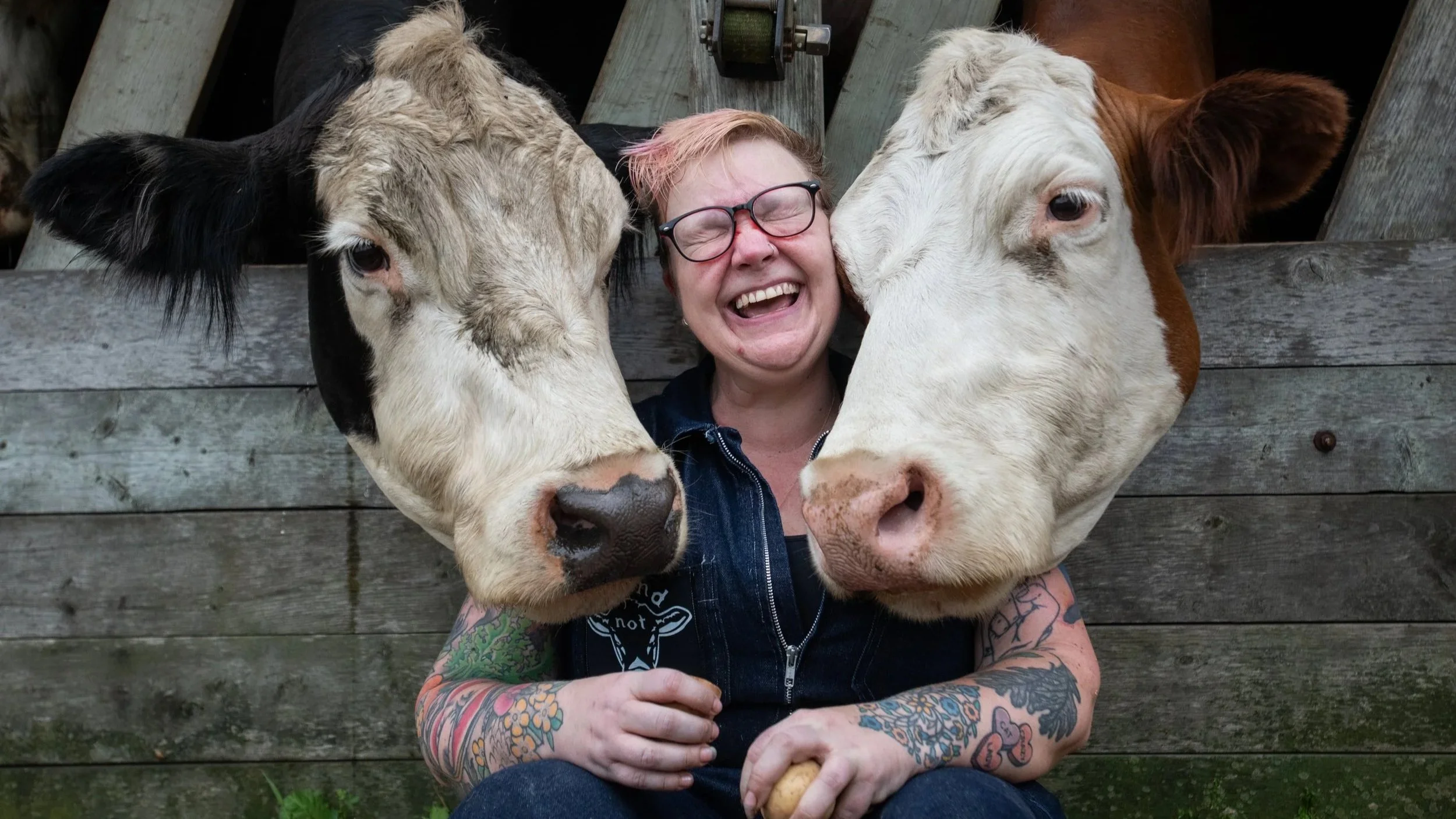
This is where veganism begins. According to UN Food and Agriculture Organization data compiled by Our World in Data, more than 80 billion land animals are raised and killed for food worldwide every year — a figure that climbs past a trillion once farmed fish and other sea animals are counted. The overwhelming majority never see the world we imagine when we picture a farm. The Sentience Institute estimates that roughly 99% of farmed animals in the United States — and more than 90% globally — live on factory farms: confined in spaces so small they often can’t turn around, deprived of sunlight and natural behavior, treated not as the intelligent, feeling individuals they are, but as units of production.
Cows, pigs, chickens, turkeys, and fish are not objects. A large and growing body of research shows that they feel pain, experience fear and stress, form social bonds, and have preferences about their own lives. Studies credit chickens with numerical reasoning, self-control, and social cognition once assumed unique to primates. Pigs are widely regarded as among the most cognitively sophisticated farmed animals on earth. And the science on fish and other overlooked animals has moved decisively. In 2021, a landmark review commissioned by the UK government and led by the London School of Economics weighed more than 300 studies and concluded that octopuses, crabs, and lobsters are sentient — capable of feeling pain and distress — and Britain now recognizes them as sentient beings in law, alongside all vertebrates. Fish belong in that circle too: the 2024 New York Declaration on Animal Consciousness, signed by roughly forty scientists, holds that there is a realistic possibility of conscious experience in every vertebrate — fish included — and in many invertebrates.
The question is not whether animals are identical to us. They are not. The question is whether their pain, fear, relationships, and desire to live matter morally. Most people already believe cruelty to a dog or cat is wrong. Veganism is what happens when you extend that same basic concern to cows, pigs, chickens, and fish — animals whose suffering is usually hidden from view.
Every vegan meal is a withdrawal of support from a system built on that suffering. Every vegan choice says: animals are someone, not something.
2. For the Environment
The environmental case for veganism has never been stronger — or more rigorously documented.
The most comprehensive analysis of food and the environment ever conducted — Poore and Nemecek’s 2018 study in Science, drawing on data from 38,700 farms across 119 countries — reached a striking conclusion. Meat and dairy supply just 18% of the world’s calories and 37% of its protein, yet they use 83% of the world’s farmland and generate more than half of all food-related emissions. The researchers found that without meat and dairy, global farmland use could shrink by around 75% — an area equivalent to the United States, China, the European Union, and Australia combined — and still feed the world. As lead author Joseph Poore put it, avoiding meat and dairy is the single biggest way to reduce your impact on the planet.
A 2023 study in Nature Food by Oxford University researchers put real diets to the test. It tracked the eating habits of more than 55,000 people and linked them, using data from tens of thousands of farms, to five environmental measures. The findings were dramatic: vegan diets produced roughly a quarter of the greenhouse gas emissions of high-meat diets, used 75% less land, generated 75% less water pollution, cut water use by 54%, and had 66% less impact on biodiversity. Even the “worst-case” vegan diet came out far ahead of the best-case high-meat one.
Animal agriculture accounts for roughly 12% of global greenhouse gas emissions, according to the UN Food and Agriculture Organization’s most recent (2023) assessment — and the food system as a whole is responsible for about a third of all human-caused emissions. Animal agriculture is also a leading driver of deforestation, a major cause of species extinction, and a significant source of freshwater pollution worldwide.
This doesn’t mean every vegan food is automatically sustainable, or that individual diet change alone can solve climate change. It does mean that for most people, shifting away from meat and dairy is the single most impactful everyday choice they can make for the planet — bigger than switching light bulbs or taking shorter showers. And it matters especially here: the Midwest is bound up with industrial agriculture, which gives our region both a special responsibility and a special opportunity to help build a better food system.
3. For Your Health
The health benefits of well-planned vegan diets are backed by decades of research and endorsed by major nutrition organizations.
In its current position paper on vegetarian and vegan diets, approved in 2025, the Academy of Nutrition and Dietetics — the largest organization of food and nutrition professionals in the United States — states that, in adults, appropriately planned vegetarian and vegan dietary patterns can be nutritionally adequate and can offer long-term health benefits, including for cardiometabolic health. In practice, that tracks with what large population studies consistently find: lower rates of heart disease, type 2 diabetes, high blood pressure, and certain cancers among people eating well-planned plant-based diets.
Vegan diets tend to be high in fiber, antioxidants, potassium, and anti-inflammatory compounds, and lower in saturated fat and cholesterol. But they do require a little planning. The one non-negotiable is vitamin B12, which isn’t reliably available from unfortified plant foods — fortified foods or an inexpensive daily supplement (available at any pharmacy) covers it completely. It’s also worth being intentional about vitamin D, iron, iodine, calcium, zinc, and omega-3s, all of which are easy to get right with a varied diet and, where needed, a supplement.
A word of honesty, because it matters: a vegan diet isn’t automatically healthy. A plate of fries, soda, and vegan candy is still fries, soda, and candy. The real benefits come from leaning on whole, minimally processed plant foods most of the time — beans, lentils, tofu, tempeh, whole grains, vegetables, fruits, nuts, and seeds. And if you’re pregnant or breastfeeding, raising vegan children, recovering from a serious illness, or navigating a complicated relationship with food, plan the transition with a qualified healthcare professional or registered dietitian who understands plant-based nutrition. That’s not a knock on veganism — it’s just good sense for any major dietary change.
4. For Justice and Community
The industrial animal agriculture system does not only exploit animals. It exploits people too.
Slaughterhouse and meatpacking work is among the most dangerous factory labor in the United States. Human Rights Watch has documented injury rates far above the national average, driven by relentless line speeds — and federal data recorded hundreds of amputations in U.S. slaughterhouses over a single recent stretch. These workers are disproportionately low-income people, people of color, and immigrants. Communities living near factory farms and industrial hog operations, meanwhile, experience elevated rates of respiratory illness, water contamination, and other health harms from the pollution these facilities generate — burdens that fall hardest on rural, low-income communities and communities of color.
Many vegans understand animal liberation and human liberation as connected struggles. A food system that treats animals as machines also tends to treat its most vulnerable human workers as disposable. Veganism is one part of a broader vision of a more just and compassionate world — what we sometimes call the Swiss Army knife of social justice.
What Do Vegans Eat? (More Than You’d Think)
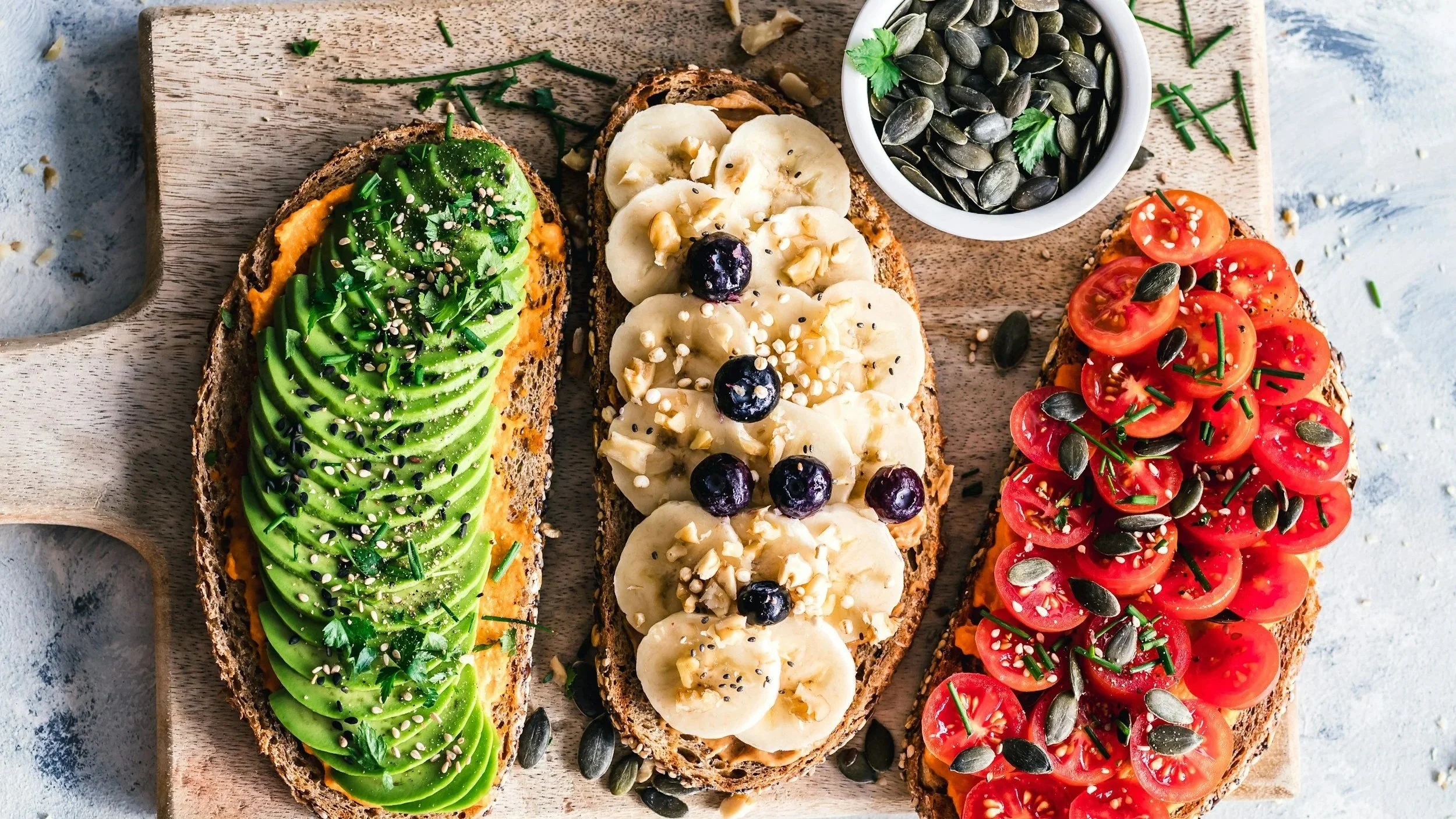
This is usually the first question people ask — and it has a genuinely satisfying answer.
The Foundations of a Vegan Diet
A healthy vegan diet is built on whole plant foods:
Vegetables and fruits — in every color and form, raw or cooked
Legumes — beans, lentils, chickpeas, edamame, tofu, tempeh
Whole grains — brown rice, oats, quinoa, whole wheat, barley, farro
Nuts and seeds — almonds, cashews, walnuts, chia seeds, flaxseeds, hemp seeds
Plant-based fats — avocado, olive oil, coconut
Together, these foods provide a complete nutritional profile: protein (yes, plenty of it), iron, calcium, zinc, omega-3 fatty acids, and every essential vitamin except B12, which is easily supplemented.
The Exciting Part: Vegan Food Has Never Been Better
You don’t have to give up your favorite foods. The plant-based food landscape has transformed over the last decade:
Vegan burgers that bleed (Beyond Burger, Impossible Burger) are widely available at restaurants and grocery stores
Dairy-free cheese, butter, yogurt, and cream made from cashews, oats, almonds, and coconut are stocked in every major supermarket — including Schnucks, Dierbergs, Whole Foods, and Trader Joe’s right here in St. Louis
Plant-based milks — oat, almond, soy, coconut — are now standard at coffee shops across the city
Vegan ice cream is a particular specialty in St. Louis, where restaurants like Bombay Food Junkies have made it a signature
Vegan meat alternatives — chik’n strips, vegan deli slices, jackfruit pulled “pork,” seitan — are showing up on menus across the STL
The easiest way to start isn’t to reinvent your whole diet. It’s to veganize the meals you already love. If you love tacos, try beans, mushrooms, or vegan chorizo. If you love pasta, reach for marinara, olive oil, lentils, or plant-based meatballs. If you love breakfast sandwiches, try tofu, vegan sausage, avocado, and dairy-free cheese. Most people don’t need a new cuisine. They need a few dependable swaps.
Do Vegans Get Enough Protein?
Yes — and since it’s the question we hear most, let’s put it to rest.
Protein is in far more plant foods than people realize: beans, lentils, chickpeas, peas, tofu, tempeh, edamame, seitan, soy milk, nuts, seeds, and whole grains all deliver it. The USDA’s own MyPlate counts beans, peas, lentils, nuts, seeds, and soy foods as protein foods. The trick isn’t hunting for protein — it’s eating enough food overall and including protein-rich plants throughout the day.
Some of the highest-protein vegan foods include tofu, tempeh, edamame, seitan, lentils, chickpeas, black beans, soy milk, peanut butter, hemp and pumpkin seeds, and — when you want them — plant-based meats and protein powders. Athletes, older adults, and people with specific medical needs may plan more deliberately, but for most people, protein is the myth, not the obstacle.
Is Veganism Expensive?
It can be — but it doesn’t have to be.
Build every meal around specialty cheeses, mock meats, and restaurant takeout, and the bill climbs fast. But some of the cheapest foods in any grocery store are already vegan: rice, beans, lentils, oats, pasta, potatoes, peanut butter, frozen vegetables, bananas, tortillas, canned tomatoes, chickpeas, and seasonal produce. Build your everyday meals on those inexpensive staples, then add the vegan cheeses, meats, and desserts where they make the transition more enjoyable.
Veganism isn’t a luxury lifestyle. At its foundation, it’s some of the most affordable eating there is.
Is Veganism Hard?
At first, it can feel hard — most of us grew up in a culture where animal products are treated as the default in every meal. But it gets easier fast once you have three things: meals you actually enjoy, local places where you can eat without stress, and people around you who get it.
That’s exactly why VeganSTL exists. We’re here to make veganism easier in St. Louis — helping you find restaurants, events, community groups, volunteer opportunities, and practical resources. You don’t have to figure this out alone.
Veganism and Animal Rights: Two Sides of the Same Coin

Animal rights is the belief that animals deserve moral consideration for their own sake — not because of what they provide to us, but because of who they are.
Veganism is how we live that belief.
Animal rights gives us the principle: animals should not be exploited. Veganism gives us the practice: stop supporting animal exploitation when we can.
This is why Project Animal Freedom’s work goes beyond food. We are not promoting veganism as a lifestyle upgrade or a health hack. We are building a movement for animal freedom — a St. Louis and a Midwest where the exploitation of animals is no longer the default, and where compassion is built into the culture and the economy of our communities.
A vegan St. Louis means more than a few more vegan restaurant options. It means a city where compassion is easier, advocacy is stronger, vegan businesses are thriving, and more people see animals as individuals with lives worth protecting.
Veganism Is Not About Perfection
One of the most important things to understand about veganism is what it is not: a purity contest.
Veganism is not about being perfect. It’s about doing the best we can to reduce harm when we have the ability to choose.
Some people go vegan overnight. Others start with one meal, then one day a week, then one month — like the global Veganuary challenge, which VeganSTL brings to St. Louis every January. Both paths are valid. What matters is direction, not perfection.
You may make mistakes. You may accidentally buy something with milk powder in it. You may discover a product you thought was cruelty-free isn’t. That doesn’t mean you failed — it means you’re human. Every vegan meal matters. Every swap matters. Every conversation matters. Every person who moves away from animal products helps reduce demand for industries that harm animals.
You don’t have to be perfect to belong here. You just have to care.
How to Start Going Vegan in St. Louis — Your First Steps
You don’t have to have it all figured out on day one. Here’s how to begin.
1. Start with your easiest meals. Pick meals that are already vegan or almost vegan — oatmeal with fruit and plant milk, a bean burrito, pasta with marinara, a veggie stir-fry, lentil soup, avocado toast. Build confidence before you try anything complicated.
2. Replace dairy first. For most people, dairy is the easiest category to swap. Try oat, soy, almond, or coconut milk; vegan butter; dairy-free yogurt and ice cream; cashew or store-bought vegan cheese; and nutritional yeast for a cheesy, savory flavor. You may need to test a few brands — don’t give up because you disliked one.
3. Find three to five protein staples you actually like. Tofu, lentils, black beans, chickpeas, tempeh, edamame, seitan, vegan burgers, vegan sausage. Then build meals around them.
4. Learn about five dependable meals. You don’t need a hundred recipes — you need a handful you can make without stress. A simple weekly rotation works wonders: taco night, pasta night, chili night, curry night, stir-fry night, breakfast-for-dinner. Once those feel easy, expand.
5. Take B12 seriously. Use a reliable B12 supplement or regularly eat B12-fortified foods. This isn’t optional long-term; it’s basic vegan nutrition.
6. Explore the STL Vegan Guide. Find vegan restaurants in your neighborhood and discover vegan-friendly spots you’ve been going to for years without realizing it.
7. Come to a VeganSTL event and connect with community. The easiest way to feel part of a community is to show up — STL Vegan Market, a vegan social, a cooking class, a volunteer meetup. Join local vegan groups, follow us on social media, and bring a friend. Veganism is much easier — and much more fun — when you’re not doing it alone. And if you’re ready to do more for animals, volunteer with Project Animal Freedom: we have meaningful roles for every skill set.
Going Vegan in St. Louis: You’re in the Right Place
St. Louis is a far better city for vegan living than many people realize — and VeganSTL is your home base for discovering and connecting with it.
Vegan Food in the STL
VeganSTL maintains the STL Vegan Guide, a local resource covering vegan, vegetarian, and vegan-friendly restaurants across St. Louis City, St. Louis County, St. Charles County, and the surrounding metro. From dedicated fully vegan restaurants to beloved neighborhood spots with deep plant-based menus, you have options across every neighborhood and price range:
Seedz Cafe, in Clayton’s DeMun neighborhood just west of Forest Park, is a beloved fully vegan staple offering plant-based sandwiches, salads, fresh juices, and smoothies — including a legendary Tempeh Reuben that has made converts out of skeptics.
Adina’s Vegan Cuisine brings over 30 years of plant-based cooking expertise to catered events and VeganSTL’s signature fish-free Friday Lenten dinners — a St. Louis tradition in the making.
Bombay Food Junkies, the fully vegan Indian street-food favorite in Creve Coeur, is known for chaats, bowls, wraps, milkshakes, and vegan soft-serve.
Terror Tacos on South Grand offers fully vegan Mexican street tacos, quesadillas, and nachos with an unforgettable personality (“Vegan. Metal. Horror. Tacos. Hell yeah.”).
Tree House on South Grand is one of St. Louis’s most acclaimed vegetarian restaurants, with a seasonal menu of small plates, most of them vegan.
SweetArt is a Black-owned, fully vegan bakeshop and cafe founded in 2008 — now settled into a larger home at The Coronado on Lindell Boulevard in Midtown, with a second stall, SweetArt Too, at City Foundry.
Lona’s Lil Eats in Fox Park serves Asian-inspired comfort food — home of the giant rice-paper wrap — with extensive vegan options and a loyal neighborhood following.
La Vie French Café on historic Main Street in St. Charles is a fully vegan French bistro from French-native owner Natacha Douglas, turning out plant-based croissants, crêpes, macarons, and French onion soup.
That’s just the beginning. Our STL Vegan Guide is the most comprehensive resource for vegan and vegan-friendly dining and shopping in St. Louis — and it keeps growing.
STL Vegan Market: The Heartbeat of the STL Vegan Community
If there is one event that defines the St. Louis vegan scene right now, it is STL Vegan Market — St. Louis’s only 100% vegan monthly market.
Founded in 2023 by local entrepreneur Melissa Crawford, STL Vegan Market has grown from a scrappy grassroots project into the most attended and advertised vegan event in St. Louis. Run by Project Animal Freedom since 2024, the market attracted more than 5,000 attendees in 2024 across its season, and its messaging has reached an estimated 200,000 St. Louisans — in a city still discovering what vegan community can look like.
The market runs on the second Sunday of every month from April through October at 2 Acre Park on Forest Park Avenue in the Central West End. It features a rotating network of over 160 vendors — 30 to 50 per market — including vegan food stalls, cruelty-free beauty products, eco-friendly fashion, zero-waste home goods, local artisans, and community organizations.
You don’t have to be vegan to come. Bring your appetite, try something new, meet local makers, and experience the community in a low-pressure setting. As Project Animal Freedom’s Executive Director, Kyle Luzynski, puts it: “The market is a celebration of community. It’s a celebration of sustainable, ethical, plant-based living.”
Veganuary in St. Louis: The Best Way to Start
Every January, VeganSTL hosts a local Veganuary campaign as part of a global challenge to try vegan living for the month. It’s beginner-friendly, community-supported, and completely free to join.
Participants receive vegan guides, local restaurant recommendations, and weekly tips. VeganSTL organizes in-person events throughout the month — vegan socials, restaurant meetups, Q&A sessions, and community dinners — so you never have to navigate the transition alone. In January 2026, 768 St. Louisans took our Veganuary challenge. The momentum is real.
Sign up for the St. Louis Veganuary Challenge →
Vegan Groups and Community in St. Louis
Veganism is easier, more fun, and more sustainable when you’re surrounded by people who share your values. St. Louis has a growing network of vegan and vegan-adjacent community groups:
St. Louis Vegans — the city’s largest online vegan community, active on Facebook
LGBTQIA+ Vegans of St. Louis — a welcoming affinity group for queer vegans and allies
Vegan USA — a broader online community for vegans across the country
How VeganSTL and Project Animal Freedom Build the Vegan Movement

VeganSTL is powered by Project Animal Freedom, a St. Louis-based 501(c)(3) nonprofit founded in 2018 with a bold goal: a fully vegan Midwest by 2056. We advance that mission through a strategic, chapter-based model — building strong local vegan communities in every major metro area across the Midwest, one city at a time.
In St. Louis, our work includes:
STL Vegan Market — monthly, April through October, at 2 Acre Park
The STL Vegan Guide — the most comprehensive directory of vegan and vegan-friendly restaurants and businesses in the St. Louis area
Veganuary — a community-supported vegan challenge every January
Vegan socials, dinners, and community events throughout the year
Volunteer programs and activism trainings for people who want to do more for animals
Vegan outreach campaigns and education reaching hundreds of thousands of St. Louisans
Partnerships with local vegan businesses to strengthen the vegan economy in the STL
Chapter-building across the Midwest — because St. Louis is just the beginning
Our approach is simple: make veganism visible, make it social, make it actionable. When people can see veganism, try it, enjoy it, and share it, it grows. We build the spaces and the systems that make that possible.
Frequently Asked Questions About Veganism
What does it mean to be vegan?
Being vegan means living in a way that avoids exploiting animals as much as possible and practicable. For food, this means not eating meat, dairy, eggs, fish, or other animal-derived products. For lifestyle, it extends to clothing, cosmetics, entertainment, and other consumer choices — all guided by the belief that animals should not be used for human benefit when better alternatives exist.
Is veganism the same as vegetarianism?
No. Vegetarians avoid meat, poultry, and fish, but many still consume dairy and eggs. Vegans avoid all animal products — including dairy, eggs, honey, and animal-derived ingredients — and also try to avoid animal exploitation in clothing, products, and entertainment. Veganism is the more comprehensive ethical commitment.
Is veganism the same as plant-based?
Not exactly. Plant-based refers to diet — what you eat. Veganism is a broader ethical philosophy that covers food, clothing, products, and entertainment, rooted in the belief that animals should not be exploited. All vegans eat plant-based, but not everyone who eats plant-based identifies as vegan.
What do vegans eat for protein?
Plenty. Legumes (lentils, chickpeas, black beans, edamame), tofu, tempeh, seitan, whole grains (quinoa, oats), nuts, and seeds are all excellent sources, along with soy milk, peanut butter, and — when you want them — plant-based meats and protein powders. For most adults, a varied whole-food plant-based diet meets protein needs easily; children, pregnancy, older adults, and serious athletes may just need a little more planning, but plant protein supports them too.
Can vegans eat bread?
Often, yes. Many breads are just flour, water, yeast, and salt. Some contain milk, butter, eggs, or honey, so it’s worth checking the label.
Can vegans eat pasta?
Most dried pasta is vegan — it’s usually wheat and water. Fresh pasta often contains egg, so check the ingredients.
Can vegans eat chocolate?
Plenty of dark chocolate is vegan, but milk chocolate and some dark bars contain milk fat or milk powder. Read the label.
Can vegans eat honey?
Most vegans avoid honey because it’s produced by — and taken from — bees. Easy swaps include maple syrup, agave, date syrup, and molasses.
Do vegans need supplements?
One is essential: vitamin B12, from fortified foods or a supplement. Depending on your diet, sun exposure, and life stage, it can also be worth paying attention to vitamin D, iodine, omega-3 (DHA/EPA), calcium, iron, or zinc.
Is a vegan diet healthy?
Yes — when well-planned, a vegan diet is recognized as nutritionally adequate for adults by the Academy of Nutrition and Dietetics, the largest body of nutrition professionals in the U.S. Well-planned plant-based diets are associated with lower rates of heart disease, type 2 diabetes, high blood pressure, and certain cancers. As with any diet, quality and planning matter — build meals around whole plant foods, and always cover B12.
Is veganism safe for children?
Yes, with careful planning. Vegan children need enough calories, protein, and fat, plus key nutrients like B12, vitamin D, calcium, iron, iodine, and omega-3s. Parents should work with a qualified healthcare professional or registered dietitian who understands plant-based nutrition to make sure a growing child’s needs are fully met.
Is veganism expensive?
It doesn’t have to be. Beans, lentils, rice, oats, pasta, potatoes, tofu, peanut butter, frozen vegetables, and seasonal produce are among the most affordable foods in any store. Specialty vegan products and restaurant meals cost more, but they’re optional, not required.
Is it hard to be vegan in St. Louis?
It’s much easier than most people expect. St. Louis has dedicated vegan restaurants, dozens of vegan-friendly spots across every neighborhood, plant-based sections at every major grocery store, a monthly vegan market, and a welcoming community ready to help. Our STL Vegan Guide makes finding your options simple.
How does veganism help animals?
Veganism reduces consumer demand for the industries that breed, confine, and kill animals at massive scale — factory farming above all. It also helps shift culture: as veganism becomes more visible and mainstream, more people begin to see animals as individuals with their own lives, rather than as products.
Do I have to go vegan overnight?
No. Some people flip the switch; others transition over weeks or months — one meal, one day a week, dairy swaps, Veganuary, one category at a time. The best pace is the one you’ll actually keep.
What is Project Animal Freedom?
Project Animal Freedom is a St. Louis-based 501(c)(3) nonprofit, founded in 2018, working to build a fully vegan Midwest by 2056 through a strategic, chapter-based movement. VeganSTL.com is one of its primary initiatives, focused on making veganism more accessible and mainstream throughout the St. Louis metro area.
Join the Vegan Movement in St. Louis
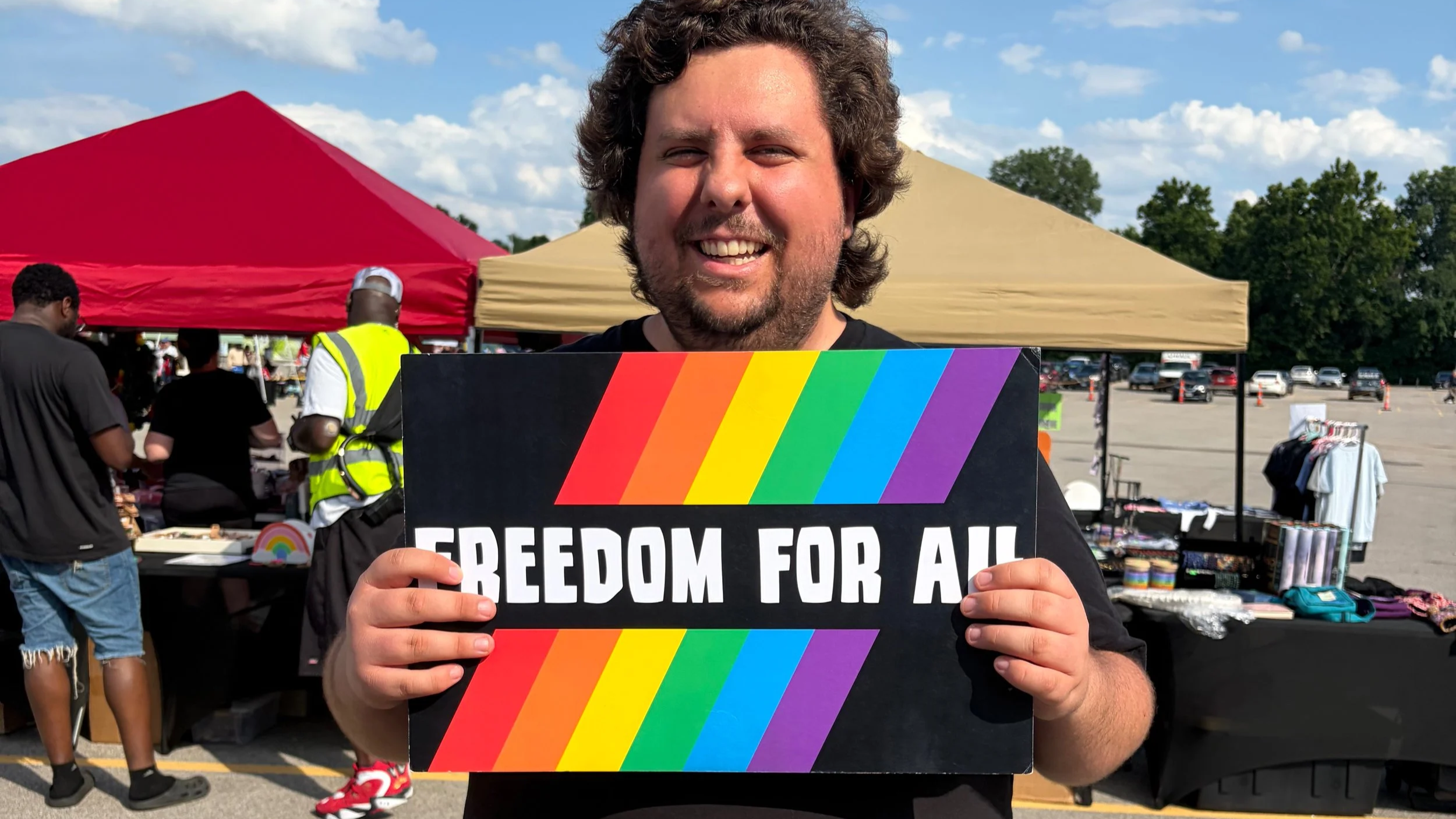
Veganism is more than a personal choice. It is a movement for a kinder, more just, more sustainable world.
It is how we stand up for animals when they cannot stand up for themselves. It is how we align our daily choices with the values most of us already hold. It is how we build community with others who are working toward the same future.
Whether you’re eating your first vegan meal or organizing your tenth event, VeganSTL is here for you.
Together, we can build a fully vegan Midwest by 2056.
About This Guide
Kyle Luzynski is the Executive Director of Project Animal Freedom, the St. Louis 501(c)(3) nonprofit behind VeganSTL. A longtime vegan and animal-rights advocate, he leads the organization’s work across the region — running the monthly STL Vegan Market, building the STL Vegan Guide, and organizing the community events, campaigns, and volunteer programs that have introduced tens of thousands of St. Louisans to plant-based living. He writes about veganism, animal rights, and the St. Louis vegan community from years of firsthand experience on the ground.
Last updated: July 2026. Questions or a correction? Email info@veganstl.com — we keep this guide current.
Sources & Further Reading
The Vegan Society — Definition of veganism
Poore, J. & Nemecek, T. (2018). Reducing food’s environmental impacts through producers and consumers.Science.Oxford summary
Scarborough, P. et al. (2023). Vegans, vegetarians, fish-eaters and meat-eaters in the UK show discrepant environmental impacts.Nature Food.Full text
UN Food and Agriculture Organization (2023). Pathways towards lower emissions: a global assessment of livestock agrifood systems.
Academy of Nutrition and Dietetics (2025). Vegetarian Dietary Patterns for Adults: A Position Paper.Journal of the Academy of Nutrition and Dietetics.
NIH Office of Dietary Supplements — Vitamin B12 Fact Sheet
Sentience Institute. US Factory Farming Estimates.
Our World in Data. How many animals are factory-farmed?
Birch, J. et al. (2021), London School of Economics. Review of the Evidence of Sentience in Cephalopod Molluscs and Decapod Crustaceans.
Andrews, K., Birch, J., Sebo, J., et al. (2024). The New York Declaration on Animal Consciousness.
Human Rights Watch (2019). “When We’re Dead and Buried, Our Bones Will Keep Hurting”: Workers’ Rights Under Threat in US Meat and Poultry Plants.